The Missing Piece in Post-Concussion Recovery
Want to learn more about Nasal/Cranial Release Technique for post-concussion recovery?
The Missing Piece in
Post-Concussion Recovery
Want to learn more about Nasal/Cranial Release Technique for post-concussion recovery?
How Nasal/Cranial Release Technique helps the brain heal when symptoms won’t go away?
If you’ve been told “just give it time”… but time hasn’t helped
You’re not alone.
Many people recover from a concussion in days or weeks.
But for others, symptoms linger for months — even years.
Head pressure or headaches
Brain fog or slow thinking
Dizziness or balance issues
Poor sleep
Feeling “off” or overstimulated
This guide explains why those symptoms can persist — and introduces a little-known mechanical approach that helps the brain recover by restoring how the skull itself functions.
How Nasal/Cranial Release Technique helps the brain heal when symptoms won’t go away?
If you’ve been told “just give it time”
…but time hasn’t helped
You’re not alone.
Many people recover from a concussion in days or weeks. But for others, symptoms linger for months — even years.
Head pressure or headaches
Brain fog or slow thinking
Dizziness or balance issues
Poor sleep
Feeling “off” or overstimulated
This guide explains why those symptoms can persist — and introduces a little-known mechanical approach that helps the brain recover by restoring how the skull itself functions.
Why post-concussion symptoms can linger?
A concussion isn’t just a bruise to the brain.
It’s a mechanical injury that can subtly shift and restrict the bones of the
skull, the membranes surrounding the brain (dura mater), and the pathways that allow fluids to circulate.
When these structures become restricted:
Pressure regulation inside the skull is disrupted
Cerebrospinal fluid (CSF) doesn’t circulate efficiently
The nervous system stays stuck in a stressed state
Even if scans look “normal,” function can still be impaired.
Why post-concussion symptoms can linger?
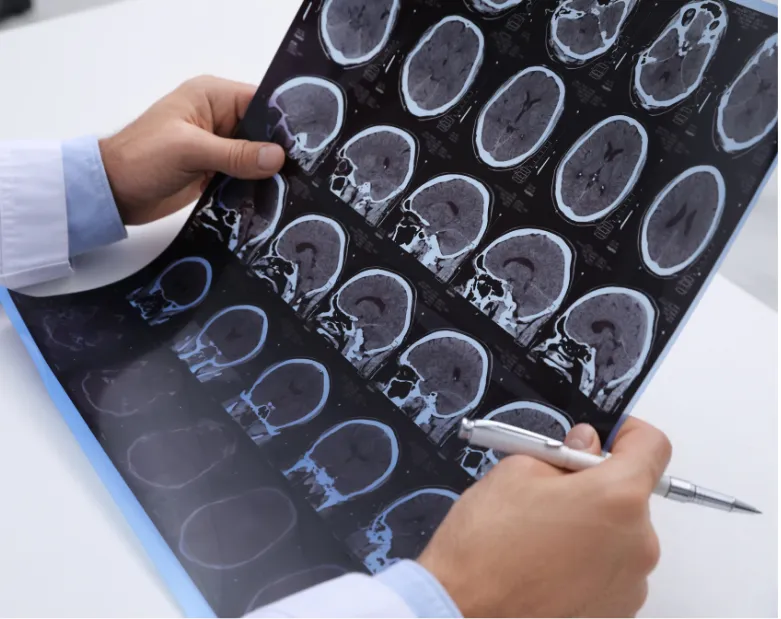
A concussion isn’t just a bruise to the brain.
It’s a mechanical injury that can subtly shift and restrict the bones of the skull, the membranes surrounding the brain (dura mater), and the pathways that allow fluids to circulate.
When these structures become restricted:
Pressure regulation inside the skull is disrupted
Cerebrospinal fluid (CSF) doesn’t circulate efficiently
The nervous system stays stuck in a stressed state
Even if scans look “normal,” function can still be impaired.
The Hidden Role of Cranial Motion in Brain Healing
The skull is not a single solid bone.
It’s made of multiple bones designed to move in a gentle, rhythmic pattern. This motion is essential for:
Circulating cerebrospinal fluid (CSF)
Draining venous blood and lymph from the brain
Supporting the brain’s natural detox and repair process (glymphatic system)
What happens after a concussion?
When cranial bones become restricted, the brain’s ability to self-regulate and heal slows down.
The Hidden Role of Cranial Motion in Brain Healing
The skull is not a single solid bone.
It’s made of multiple bones designed to move in a gentle, rhythmic pattern. This motion is essential for:
Circulating cerebrospinal fluid (CSF)
Draining venous blood and lymph from the brain
Supporting the brain’s natural detox and repair process (glymphatic system)
What happens after a concussion?
When cranial bones become restricted, the brain’s ability to self-regulate and heal slows down.
Healthy vs. Restricted Cranial Function
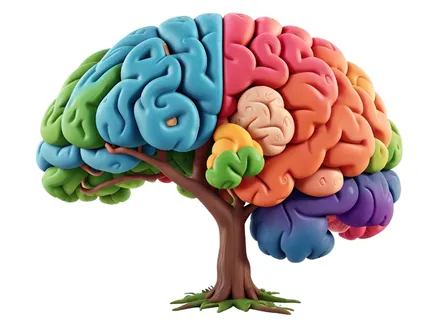
Healthy vs. Restricted Cranial Function
Healthy Cranial Function
Natural skull rhythm
Efficient CSF circulation
Proper venous & lymph drainage
Calm, regulated nervous system
Clear thinking
Post-Concussion Restriction
Cranial bones feel “locked”
CSF stagnation
Pressure buildup
Overstimulated, foggy, fatigued
Brain fog & slow processing
Key Insight:
If the skull can’t move properly, the brain can’t clean, drain, or regulate itself efficiently.
Healthy Cranial Function
Natural skull rhythm
Efficient CSF circulation
Proper venous & lymph drainage
Calm, regulated nervous system
Clear thinking
Post-Concussion Restriction
Cranial bones feel “locked”
CSF stagnation
Pressure buildup
Overstimulated, foggy, fatigued
Brain fog & slow processing
Key Insight:
If the skull can’t move properly, the brain can’t clean, drain, or regulate itself efficiently.
What is Nasal/Cranial Release Technique?
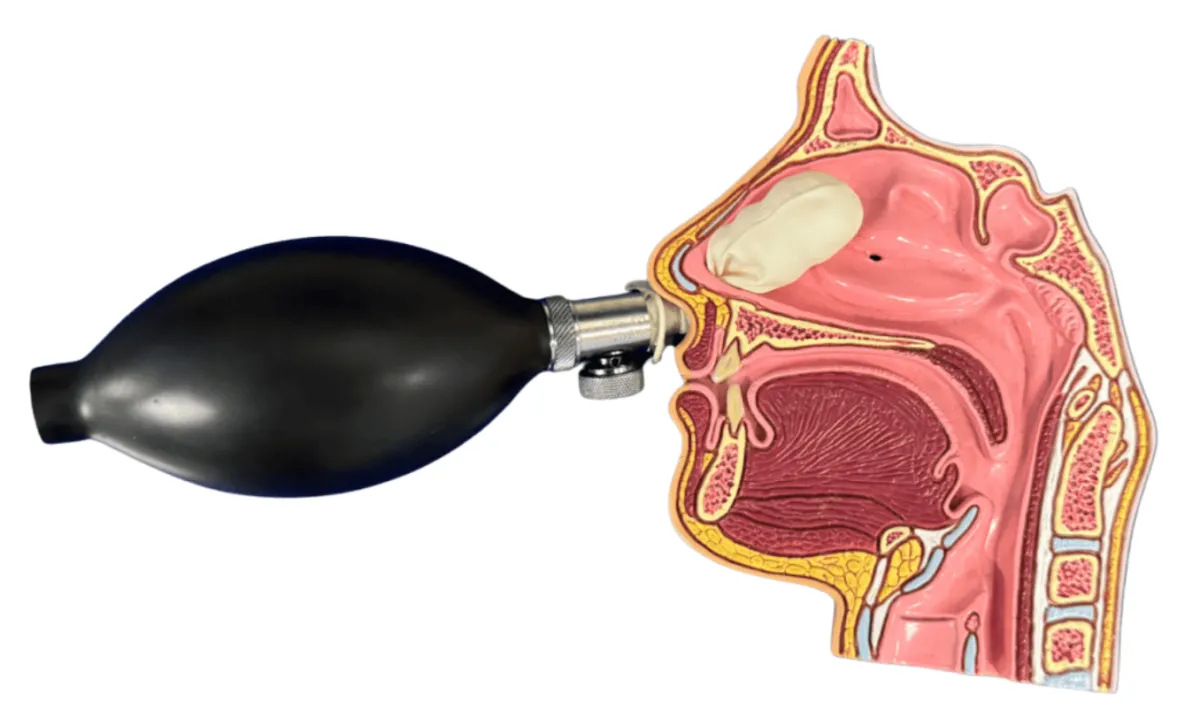
Nasal/Cranial Release Technique is a gentle, non-invasive technique that helps restore natural cranial motion.
It uses small, soft balloons placed briefly in the nasal passages to:
Mobilize cranial bones
Release tension patterns
Improve airflow and circulation
One of the most important bones affected is the sphenoid — often called the “gear of the skull” because it influences the movement of many other cranial bones.
What is Nasal/Cranial Release Technique?
Nasal/Cranial Release Technique is a gentle, non-invasive technique that helps restore natural cranial motion.
It uses small, soft balloons placed briefly in the nasal passages to:
Mobilize cranial bones
Release tension patterns
Improve airflow and circulation
One of the most important bones affected is the sphenoid — often called the “gear of the skull” because it influences the movement of many other cranial bones.
How Nasal/Cranial Release Technique supports Post-Concussion Recovery
1. Restores Cranial Mobility
Concussions can cause cranial bones and membranes to become restricted or twisted. Nasal/Cranial Release Technique gently helps:
Unlock restricted bones
Restore natural rhythmic motion
Reduce mechanical strain on the brain
2. Improves Fluid Dynamics
Healthy cranial motion helps circulate:
Cerebrospinal fluid (CSF)
Venous blood
Lymphatic drainage
By freeing restrictions, Nasal/Cranial Release Technique helps:
Reduce pressure inside the skull
Improve the brain’s natural cleansing process
Support faster healing
3. Enhances Oxygen & Blood Flow
Opening nasal pathways and improving cranial motion can:
Increase oxygen availability
Improve blood flow to brain tissue
Support cognitive clarity and energy brain
4. Reduces Neural Tension
Cranial distortions can place tension on cranial nerves. By correcting these distortions, Nasal/Cranial Release Technique may help:
Reduce headaches
Improve balance and dizziness
Support clearer thinking
5. Supports Nervous System Regulation
When brain mechanics improve:
The nervous system can shift out of “fight or flight”
Sleep quality often improves
Patients report feeling calmer and clearer
How Nasal/Cranial Release Technique supports Post-Concussion Recovery
1. Restores Cranial Mobility
Concussions can cause cranial bones and membranes to become restricted or twisted. Nasal/Cranial Release Technique gently helps:
Unlock restricted bones
Restore natural rhythmic motion
Reduce mechanical strain on the brain
2. Improves Fluid Dynamics
Healthy cranial motion helps circulate:
Cerebrospinal fluid (CSF)
Venous blood
Lymphatic drainage
By freeing restrictions, Nasal/Cranial Release Technique helps:
Reduce pressure inside the skull
Improve the brain’s natural cleansing process
Support faster healing
3. Enhances Oxygen & Blood Flow
Opening nasal pathways and improving cranial motion can:
Increase oxygen availability
Improve blood flow to brain tissue
Support cognitive clarity and energy brain
4. Reduces Neural Tension
Cranial distortions can place tension on cranial nerves. By correcting these distortions, Nasal/Cranial Release Technique may help:
Reduce headaches
Improve balance and dizziness
Support clearer thinking
5. Supports Nervous System Regulation
When brain mechanics improve:
The nervous system can shift out of “fight or flight”
Sleep quality often improves
Patients report feeling calmer and clearer
Who is Nasal/Cranial Release Technique best suited for?
It may be especially helpful for people who:
It’s made of multiple bones designed to move in a gentle, rhythmic pattern. This motion is essential for:
Have lingering symptoms weeks or months after a concussion
Have had multiple concussions
Were “cleared” medically but don’t feel fully recovered
Feel stuck despite trying rest, rehab, or therapy
Who is Nasal/Cranial Release Technique best suited for?
It may be especially helpful for people who:
It’s made of multiple bones designed to move in a gentle, rhythmic pattern. This motion is essential for:
Have lingering symptoms weeks or months after a concussion
Have had multiple concussions
Were “cleared” medically but don’t feel fully recovered
Feel stuck despite trying rest, rehab, or therapy
Important Note
Nasal/Cranial Release Technique does not replace emergency or acute medical care. It is a supportive approach focused on restoring function.
The Takeaway
Many post-concussion symptoms persist not because the brain is damaged — but because the system supporting the brain is restricted. When cranial motion, fluid flow, and nervous system regulation improve,
healing often accelerates.
Your Next Step
If your recovery feels stuck, it may be because your skull is. A Nasal/Cranial Release Technique evaluation can help determine whether cranial restrictions may be contributing to your ongoing symptoms.
Important Note
Nasal/Cranial Release Technique does not replace emergency or acute medical care. It is a supportive approach focused on restoring function.
The Takeaway
Many post-concussion symptoms persist not because the brain is damaged — but because the system supporting the brain is restricted. When cranial motion, fluid flow, and nervous system regulation improve,
healing often accelerates.
Your Next Step
If your recovery feels stuck, it may be because your skull is. A Nasal/Cranial Release Technique evaluation can help determine whether cranial restrictions may be contributing to your ongoing symptoms.
Meet Dr. Tara
It is a long established fact that a reader will be distracted by the readable content of a page when looking at its layout. The point of using Lorem Ipsum is that it has a more-or-less normal distribution of letters, as opposed to using ‘Content here, content here’, making it look like readable English.
Many desktop publishing packages and web page editors now use Lorem Ipsum as their default model text.

Get In Touch
Location:
9245 W Highway 80, Nancy, KY 42544
Hours:
Monday - Thursday : 8AM-11AM & 2PM-6PM
Friday - Saturday: By Appointment Only
Sunday: CLOSED
Phone


© Copyright 2023. Nancy Family Chiropractic. All rights reserved.
Get In Touch
Location:
9245 W Highway 80, Nancy, KY 42544
Hours:
Monday – Thursday: 8am-11am & 2pm-6pm
Friday - Saturday: By Appointment Only
Sunday: CLOSED
Phone
© Copyright 2023. Nancy Family Chiropractic.
All rights reserved.